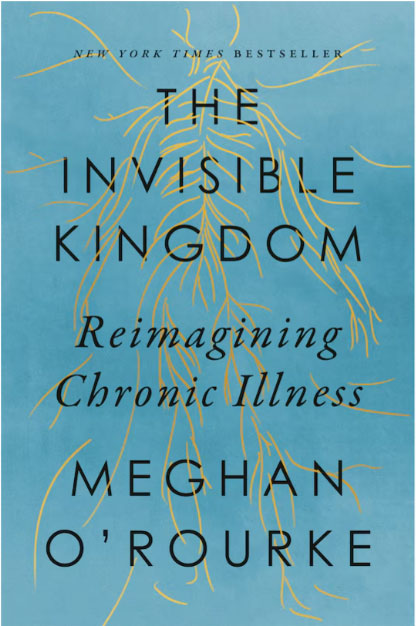
The Invisible Kingdom: Re-Imagining Chronic Illness
by Meghan O'Rourke (Author)
Reviewed by Lisa Bilodeau
In The Invisible Kingdom, Meghan O’Rourke offers both a scientific exploration and a deeply personal account of living with chronic illness. Structured in three parts—Obstacles, Mysteries, and Healing—the book traces her years-long struggle with baffling, debilitating symptoms that defied diagnosis and understanding. Her experience mirrors that of millions navigating a medical system ill-equipped to address complex, chronic conditions.
Reading her story often feels like “looking into a mirror”—trying to name symptoms and seek help while battling fatigue, pain, and brain fog, with no guarantee of answers. O’Rourke gives voice to the “silent epidemic” of chronic illness affecting tens of millions in North America, especially those who are most often overlooked: women, the working class, and people of colour.
“I wanted recognition of the reality of my experience,” she writes, “a sense that others saw it, not least because human ingenuity might then be applied to the disease that had undone me, so that others might in the future suffer less than I did.”
Drawing from a decade of research and interviews with doctors, patients, and scientists, O’Rourke challenges long-held assumptions in Western medicine that favour acute, easily diagnosed conditions. She argues that our current system is
poorly equipped to deal with illnesses that lack clear origins or straightforward treatments.
“The ill are busy trying to formulate a story to help them navigate their new identity,” she writes. “Being ill, after all, is unwelcome, foreign, confusing. It interrupts your plans for the present and, when you are chronically ill, your plans for the future. But at first very little is clear to the patient, and that lack of understanding–of control–is terrifying. And so the patient invests time and effort trying to figure out a new story; she wants someone to help write that new story by making space for the loss that has occurred, the harm done, and by seeing it as the unique loss it is.”
Ultimately, The Invisible Kingdom offers more than a memoir—it’s a call for a new medical paradigm and a compassionate understanding of chronic illness. As she writes, “What does it mean for a chronically ill patient to heal? In some cases, it may mean remission of the disease. But in others, it means the patient is now able to manage the illness with some degree of integrity.”
You can buy your copy of the book here
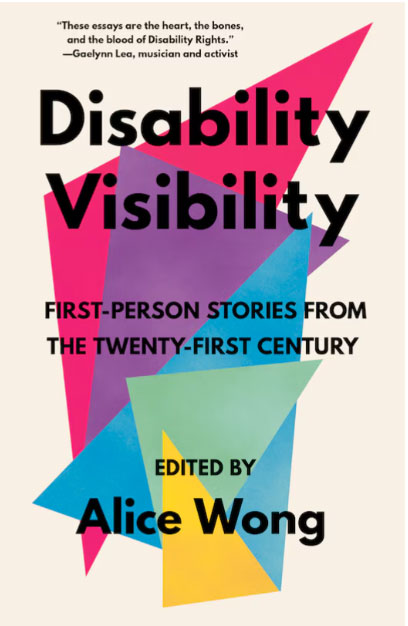
Disability Visibility: First-Person Stories from the Twenty-first Century
by Alice Wong (Editor)
Reviewed by Lisa Bilodeau
One in five people in Canada live with one or more disabilities. Some disabilities are visible, others less so—but all are significantly underrepresented in media and popular culture. In this impactful collection, activist Alice Wong curates an empowering and thought-provoking anthology of personal essays by contemporary disabled writers.

Blending essays, poetry, blog posts, manifestos, eulogies, congressional testimonies, debates, art reviews, and more, this book reveals the vast richness and complexity of the disabled experience.
It honours the everyday lives, creativity, advocacy, and resilience of disabled individuals, offering readers a deeper understanding of disability culture–both past and present, rooted in pride and possibility.
“I know that in chasing to achieve the person I once was, I will miss the person I have become.”
~ from ‘I’m Tired of Chasing a Cure’ by Liz Moore
“All you are really doing when interviewing a patient is asking them to tell you a story. All the patient really wants from you is for you to listen to them. That’s what we all want, isn’t it? It’s one of our most fundamental drivers. To be seen. To be heard. To be understood.”
~ from ‘Taking Charge of my Story as a Cancer Patient’ by Diana Cejas
“Taking up space as a disabled person is always revolutionary.”
~ from ‘Canfei to Canji’ by Sandy Ho
This anthology is not just a collection of stories—it’s a call to action. It challenges dominant narratives, amplifies marginalized voices, and reminds us that disability is not a limitation, but a vital part of our collective human story.
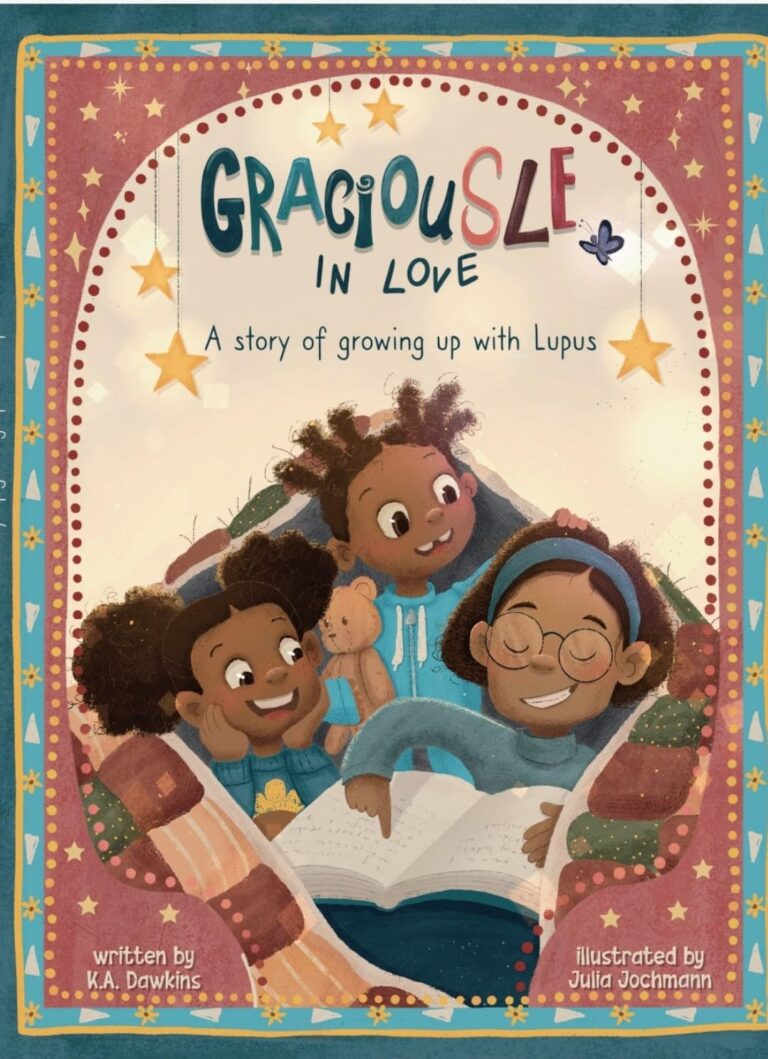
GraciouSLE in Love: A Story of Growing Up with Lupus
by K.A. Dawkins (Author) & Julia Jochmann (Illustrator)
Reviewed by Lisa Bilodeau
‘GraciousSLE in Love: A Story of Growing Up with Lupus’, written by K.A. Dawkins and illustrated by Julia Jochmann is a tender and beautifully told story that explores the power of love expressed through everyday acts of care between a mother and her daughters
With heartfelt detail, Dawkins captures how a mother’s love
shines through simple, daily activities—walking to school, preparing meals, and styling her daughters’ hair.
As the mother begins to show signs of chronic illness, the roles within the family gently shift, with the daughters gradually
taking on caregiving responsibilities of their own.
The book offers a moving reminder that, in families affected by chronic illness, love doesn’t fade—it evolves, deepens, and becomes even more resilient.
Drawing from her own life, Dawkins shares the perspective of a child growing up with a mother who has lived with lupus for over 30 years. Her personal experience reveals how families adapt to changing needs, navigating a delicate balance of care that flows both ways—from parent to child and child to parent.
“We see, we listen, and we learn as we try to help our mom.”
Meet the author at the Toronto WALK for Lupus Ontario at Ramsden Park on July 19 for your chance to purchase a signed copy of the book.
You can buy your online version of the book here!
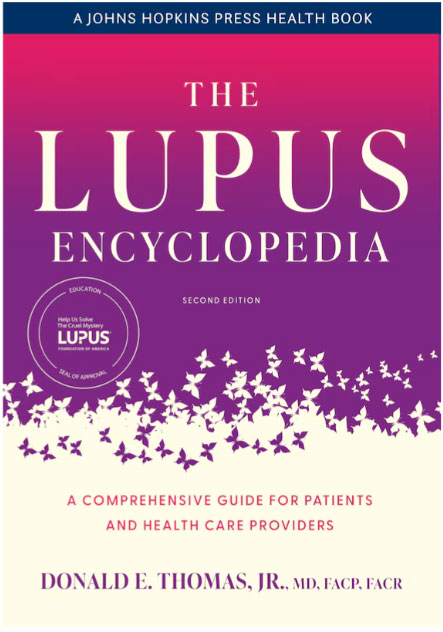
The Lupus Encyclopedia (Second Edition)
by Donald E. Thomas Jr. (Author)
Reviewed by Lisa Bilodeau

The Lupus Encyclopedia’ is truly a comprehensive resource for both patients and health care providers. Written by Dr. Donald E. Thomas, Jr., and now fully updated in its second edition, this essential guide offers an in-depth look at lupus—covering its symptoms, diagnosis, treatment options, and ongoing management.
Inside, readers will find expert guidance on:
• Definitions, causes and diagnosis of autoimmune diseases
• How lupus directly affects the body
• Other complications of lupus and their treatments
• Treating lupus
• Other practical matters
This reference book isn’t meant to be read cover-to-cover but rather used as a go-to guide to find answers when symptoms arise or questions come up along your lupus journey.
Whether you’re newly diagnosed, supporting a loved one, or working in health care, ‘The Lupus Encyclopedia’ is an invaluable tool for understanding the latest in lupus research, treatments, and care strategies.
This updated edition features expanded content on:
• How lupus impacts different organs and systems
• Advanced labs for improved diagnosis and treatment
• The role of the microbiome and anti-inflammatory diets
• Updated guidance for pregnancy and breastfeeding
• Childhood-onset lupus
• The interaction between COVID-19 and lupus
• Non-drug treatments, complementary medicine, and medical cannabis
Bonus content is also available online:
• Patient Resources
• Lupus Secrets
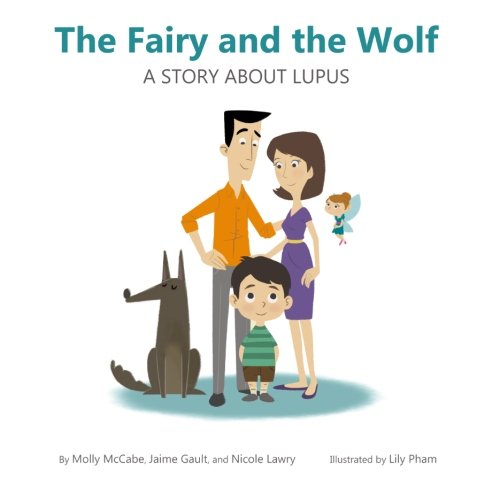
The Fairy and The Wolf: A Story About Lupus
by Molly McCabe (Author) & Jaime Gault (Author), Nicole Lawry(Author) and Lily Pham (Illustrator)
Reviewed by Lisa Bilodeau
This thoughtful children’s book delves into the emotions and experiences of a young boy named Bobby, whose mother has been diagnosed with lupus. Once accustomed to a consistent routine of his mom walking him to school, playing on the swings, running errands, grocery shopping, and making dinner, Bobby now notices how her activities have changed. She drives him to school, takes evening naps, and watches him play at the park with his dad instead.
To help children understand the diagnosis and its effects, the story uses two symbolic characters: a wolf and a fairy.
“Mommy told me that lupus means wolf. Then she explained how having lupus makes you feel like there is always a wolf following you around and making you sick.”
“Miss Fairy is Mommy’s special helper and always reminds her to take care of herself.”
As Bobby learns about lupus, he discovers how to explain the condition to others and adapt to the evolving dynamics within his family.
This book serves as an excellent resource for educating families, especially children, about lupus and how they can support a loved one living with it. It encourages readers to seek help when faced with challenges, emotions, or demands, and to know they’re not alone in their journey.
Lupus is an unpredictable disease with symptoms and treatments that can significantly affect family life. Diagnosed most often during childbearing years, it can leave children confused about why their parent is tired, sore, or emotional. They may experience feelings of sadness, anger, loneliness, guilt, or worry. This book reminds children that asking questions and sharing their feelings can bring comfort and reassurance. It emphasizes their safety and the unwavering presence of love and care in their lives.
Above all, the story highlights the incredible resilience of children.
“Mommy will have good days and bad days, but with my love and my help, she can live a long happy life with me… and so can you with your Mommy!”

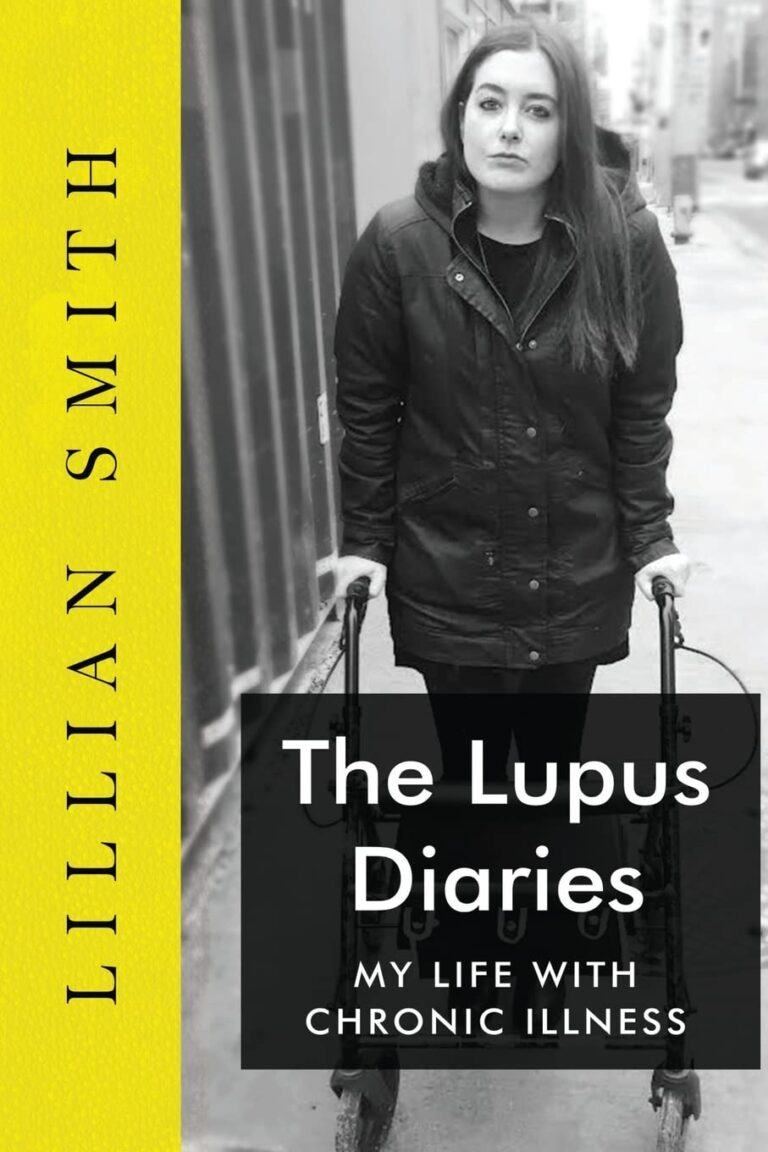
The Lupus Diaries: My Life with Chronic Illness
by Lillian Smith (Author)
Reviewed by Lisa Bilodeau
Lillian Smith, a resilient lupus warrior, has faced the many challenges that come with living with a chronic illness. In her inspiring book, The Lupus Diaries: My Life with Chronic Illness, she chronicles her journey through deeply personal diary entries, offering an intimate look at her life after diagnosis and throughout her ongoing recovery.
Through reflections on living with multiple chronic conditions, Lillian provides heartfelt support and practical advice for others navigating similar paths. Over the course of a decade, she documented her experiences with lupus, driven by a powerful goal: to create a resource that helps others find balance between illness and recovery.
Diagnosed at just 22, Lillian struggled to find books that
addressed the questions she desperately needed answers to.
The Lupus Diaries fills that gap, covering relatable topics such
as missing out on life’s milestones, navigating young adulthood, dating, marriage, intimacy, caregiving dynamics, cycles of illness, and coping strategies. She explores how to maintain balance in every aspect of life while managing a chronic condition.
Chapters like “Normalizing Your Illness,” “Responding to
Ignorant Comments and Questions,” and “Coming to Terms
with Myself as Disabled” are particularly powerful.
Lillian’s real-life experiences, told with honesty and vulnerability,
offer both validation and practical solutions for those facing similar struggles.
Fabulupus: How to be young, successful and fabulous (with lupus)
by Jessica Kundapur (Author) & Jodie Nimigon-Young (Author)
Reviewed by Lisa Bilodeau
Can a young person with lupus truly live a successful and fabulous life? The answer is a resounding yes! Fabulupus: How to Be Young, Successful, and Fabulous is a must-read guide that empowers youth with lupus to navigate life’s challenges while embracing its joys.
Authors Jodie Nimigon-Young and Jessica Kundapur offer a heartfelt, insightful, and practical resource for young people (teens through their 30s) managing life with lupus. Drawing on their own experiences of being diagnosed at 13 and 26, respectively, Jodie and Jessica bring a deeply personal perspective. They understand the struggles, setbacks, and victories of living with lupus, and they’ve crafted this book to share the wisdom they’ve gained along the way.
While Fabulupus does not delve into specific medical advice, it serves as an inspiring roadmap for living fully with lupus. The authors tackle a wide range of topics relevant to young adults, delivering encouragement and actionable tips in a relatable voice.
The topics explored include managing relationships, such as family dynamics, friendships, and intimacy, and balancing education, including schoolwork, adjustments, and finances. It also delves into career choices, job searching, workplace success, and financial skills like budgeting and reducing expenses. Physical activity and rest, healthy eating despite barriers, and addressing body image issues are highlighted alongside fostering self-esteem and personal style. Leisure, socializing, accessible travel, and strategies to manage stress and energy are addressed. Lastly, it covers spirituality, meaning, and personal philosophies.
One of the book’s central messages is a reminder to define your own quality of life. “We grow through every challenge that we face in life. The key is not being afraid to ask for help. You can have lupus and still live life to the fullest,” write Jodie and Jessica.
Whether you’re newly diagnosed or have been living with lupus for years, Fabulupus is a beacon of hope. It offers a perfect mix of relatable anecdotes, thoughtful advice, and uplifting encouragement.
This book is an invaluable resource for young people with lupus, empowering them to overcome challenges and embrace life's fabulousness.
“And to all of you with lupus, rest assured, everything will be okay. In fact, everything will be fabulupus.” ~ Jessica Kundapur, Fabulupus
You can buy your copy of the book here!
BUY their merchandise here.
I’m the Biggest Helper with Momma’s Autoimmunity Disease
by Heather Yaskiw Foisy (Author) & Daniel Naranjo (Illustrator)
Reviewed by Lisa Bilodeau
This delightful and inspiring book is narrated from the perspective of a young boy who supports his mother as she navigates the challenges of living with autoimmune diseases. Through his eyes, readers gain a simplified yet profound understanding of these complex health conditions, making the story accessible and educational for both children and adults. By presenting medical concepts in an engaging and relatable way, the book helps demystify autoimmune diseases while fostering empathy and awareness.
The narrative goes beyond simply explaining the
condition—it highlights the daily realities faced by individuals with disabilities and the ripple effects
on family life. It offers a touching exploration of the resilience and adaptability required to manage these challenges and emphasizes the importance of mutual support within families. Readers are encouraged to
reflect on the strength it takes to overcome obstacles
and the value of compassion in helping loved ones thrive.
Inspired by the author’s son, Phoenix, the story
celebrates his courage, empathy, and determination, showcasing him as a role model for young readers. His actions serve as a powerful reminder of how even small acts of kindness can make a significant difference.
This book is not only a valuable resource for families with members affected by autoimmune conditions but also an excellent tool for educating other children about how families navigate and thrive despite the challenges of often invisible illnesses.
Foisy and Naranjo beautifully depict the unpredictable nature of autoimmune diseases, showing how symptoms can disrupt even the most routine moments. At its heart, the book is a tribute to the vital role of family, highlighting their ability to adapt, persevere, and support one another through life’s challenges.
“I’m the biggest helper
And there’s lots that I can do
To help my momma when she’s sick
So she doesn’t feel so blue”